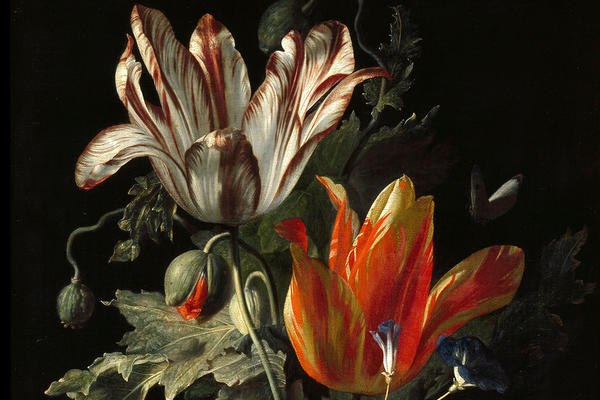
Abraham Mignon, A Vase of Flowers

Gallery 57, Second Floor,
Dutch Still-Life Paintings


This painting is part of the great collection of Dutch and Flemish still-life pictures bequeathed to the Ashmolean by Daisy Linda Ward in 1940. This room contains one of the most comprehensive collections of the genre ever brought together.

Abraham Mignon

Abraham Mignon was born in Frankfurt in 1640. His parents were Calvinists from Flanders who had moved to Germany from the Southern Netherlands to escape persecution. He received his early training in flower painting in Germany, but the dominant influence on his work after he moved to Utrecht in about 1664 was Jan Davidz de Heem. De Heem was the best known and most influential painter of flowers working in the Netherlands in the second half of the 17th century.


Still Life

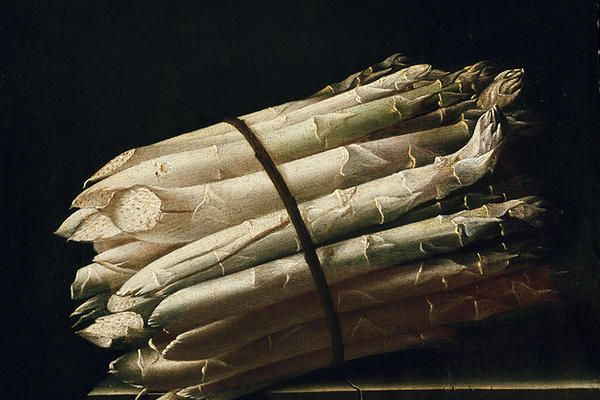
The term ‘still-life’ means an arrangement of non-moving objects (either dead or alive). The art of still-life flourished in the Netherlands more than in any other country and the term comes from the Dutch stilleven, meaning motionless aspects of nature. The tulip, now seen as virtually synonymous with Holland itself, was in fact imported from Turkey in 1560 and became so popular that no Dutch/Flemish flower-painting was complete without it.

The chief concern of still-life artists was to achieve realistic representations rather than stylised images, as you can tell from this painting. However, these works can also have allegorical or religious significance. This is seen in the inclusion of butterflies, which symbolise the resurrection. Flowers themselves were seen as symbols of transient life and this meaning was often emphasised by the inclusion of watches, skulls and hourglasses.