About the department
The Ashmolean Plan - how it affects the Department of Antiquities
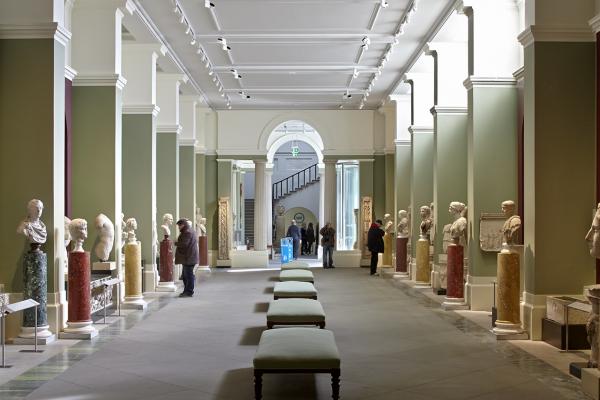
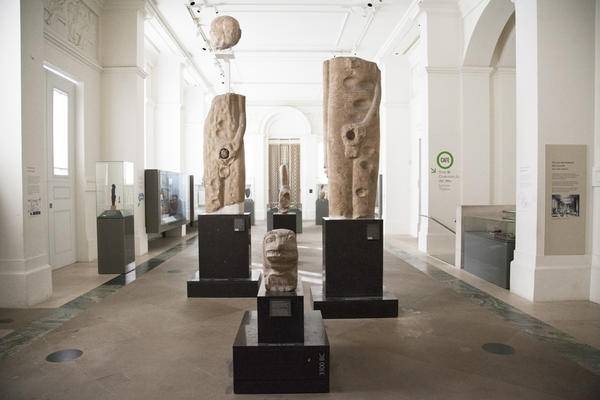
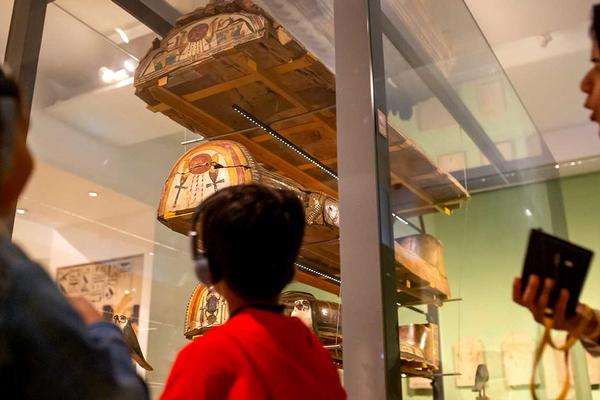
Most of the Department of Antiquities' Galleries were closed in 2005 in advance of the Ashmolean Plan. Only the Egyptian Galleries and the Randolph Sculpture Gallery will remain open to the public during the building work.
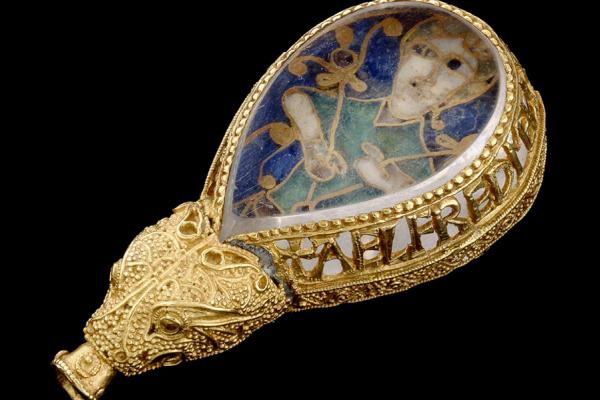
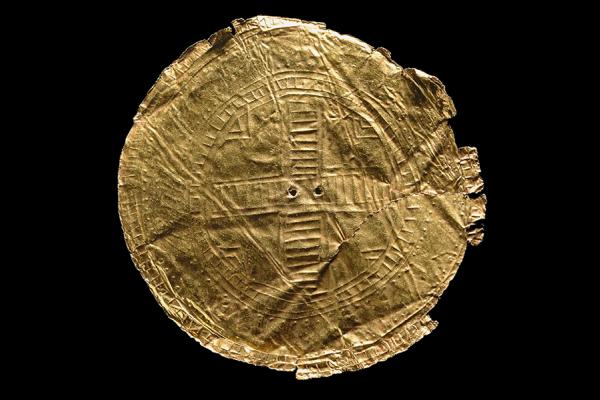
Key objects from the other parts of the collection are on display in the 'Treasures of the Ashmolean Museum' exhibition in the MacAlpine Gallery from 24th May 2006 - 31st December 2008. A selection of the Museum's collection of Greek painted pottery, small bronzes and terracottas is displayed in the Randolph Gallery. Much material from the Tradescant collection is on display at the Museum of the History of Science in the original Ashmolean Museum building on Broad Street until 31st December 2008.
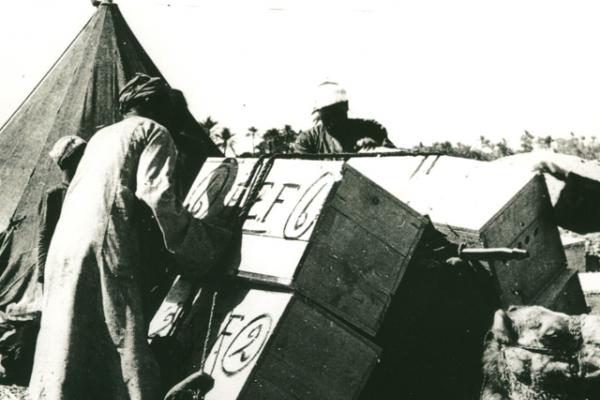
Access to reserve collections during the period of closure will be severely restricted. All collections not on display or reserved for teaching have been packed and sealed for storage during the building work and cannot be retrieved until the move back into the new building in early 2009. An announcement will be made on the website if it proves possible to reopen access to the collections before that date.
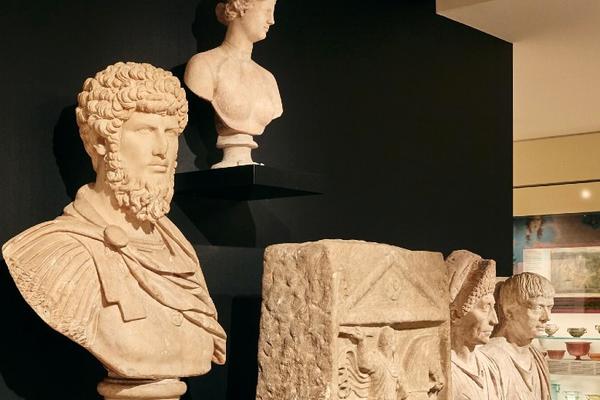
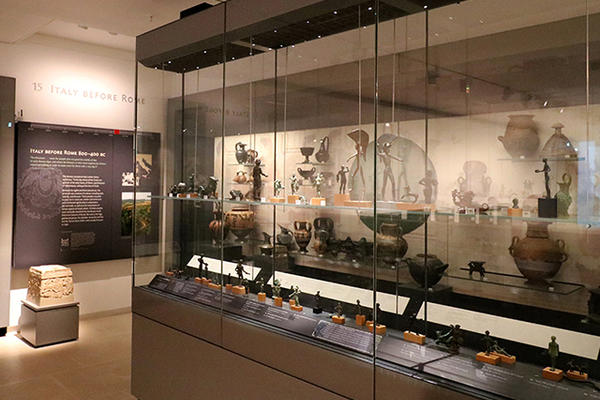
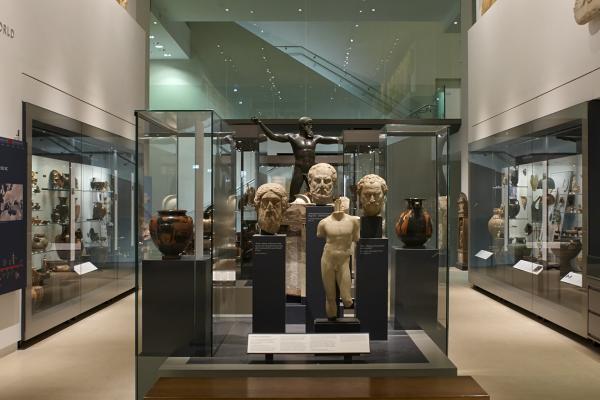
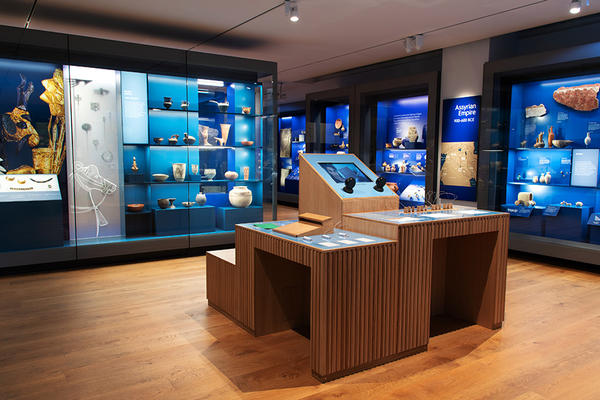
When the new building opens in 2009, the Department's collections will be shown in many of the 39 new galleries.
- Further information about Transforming the Ashmolean.
- A floorplan of the Museum.
Is there any access to collections for research while the Ashmolean Plan is taking place?
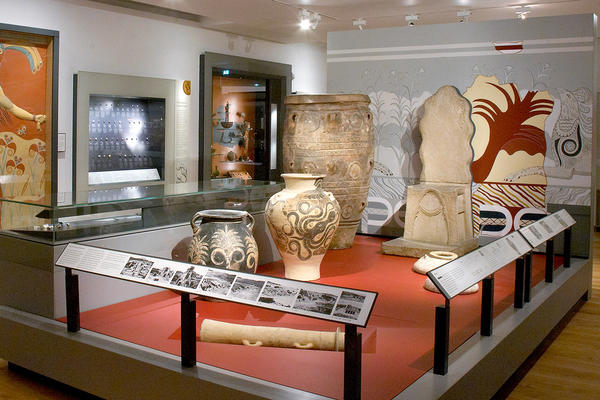
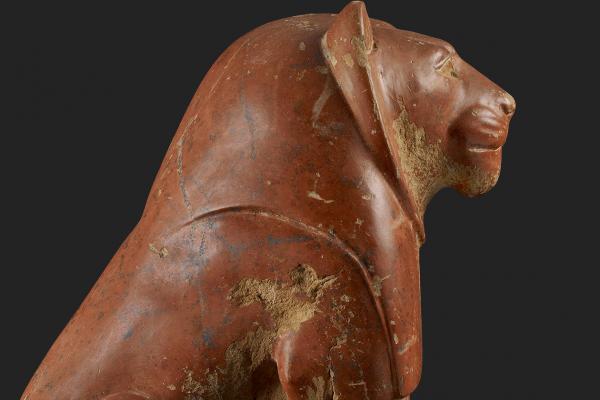
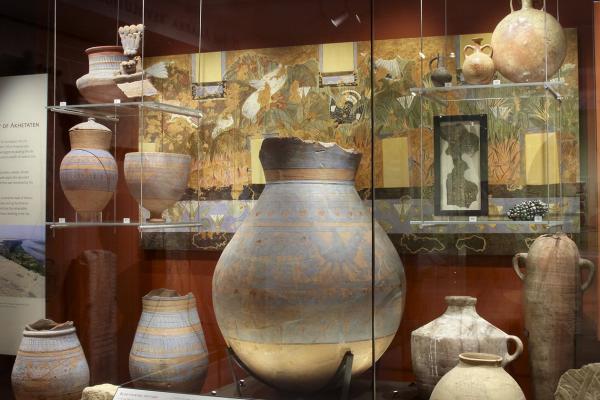
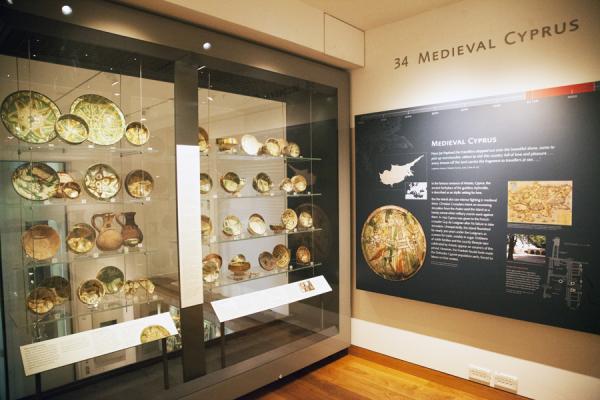
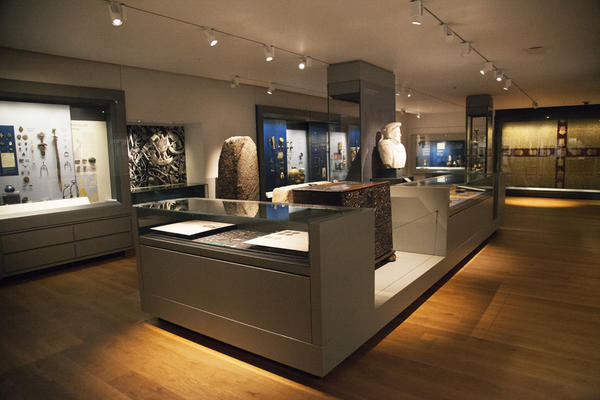
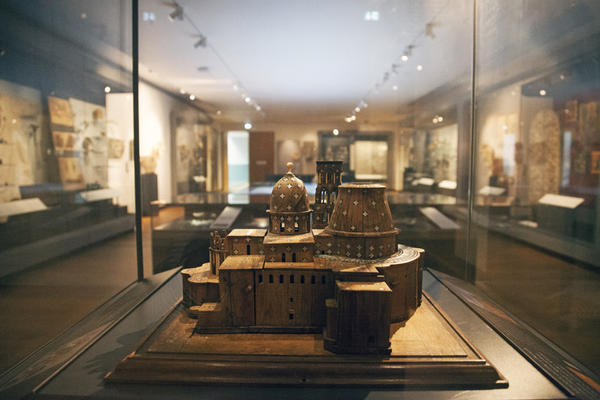
To see how the collections of the Department of Antiquities will be displayed, follow the links below:
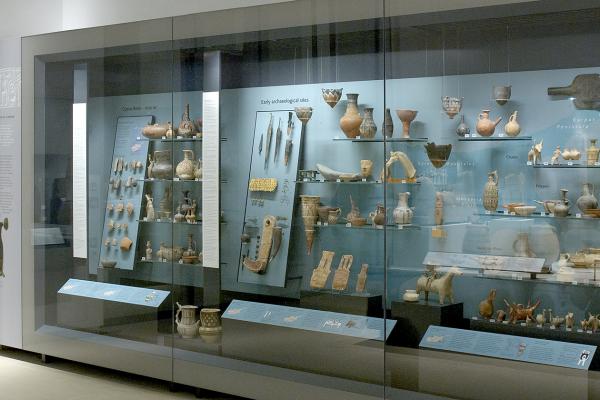
To see how the collections of the Department of Antiquities were displayed prior to closure in 2005, visit the Virtual Tour of the Ashmolean web pages (part of the Virtual Tour of Oxford website designed by Dr Karl Harrison of the University of Oxford Department of Chemistry). Department of Antiquities galleries are in grey.
A virtual version of the Anglo-Saxon displays in 2005 can be seen as part of the Anglo-Saxon Discovery website.