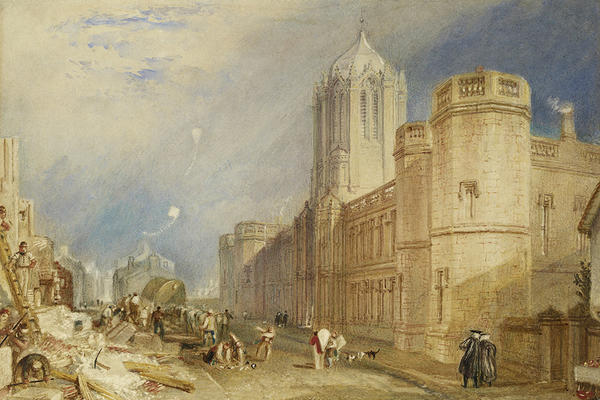
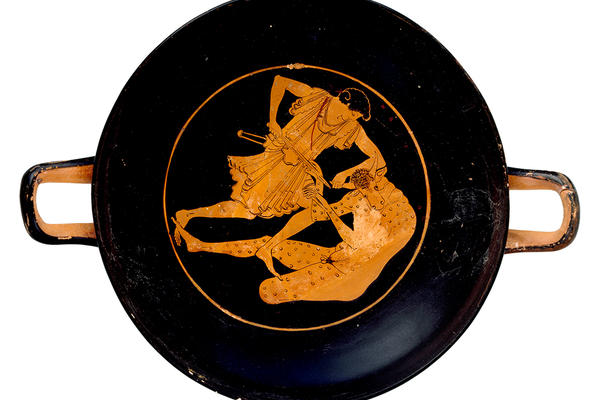
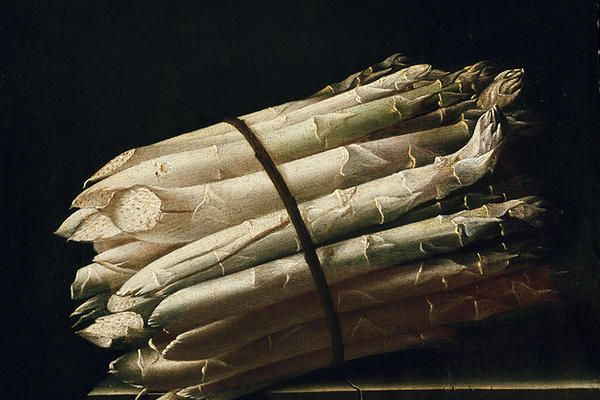
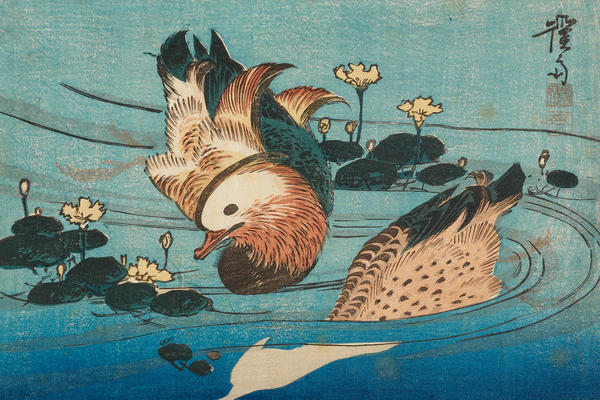
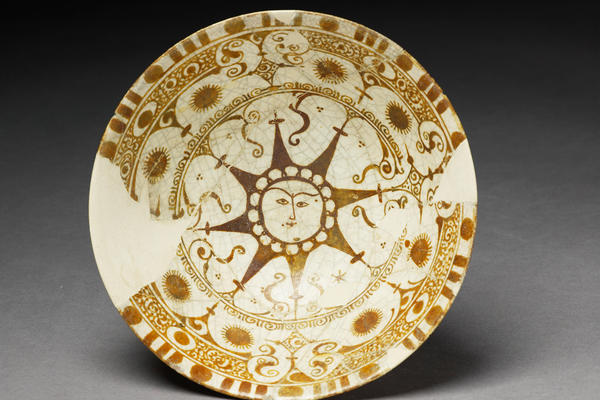
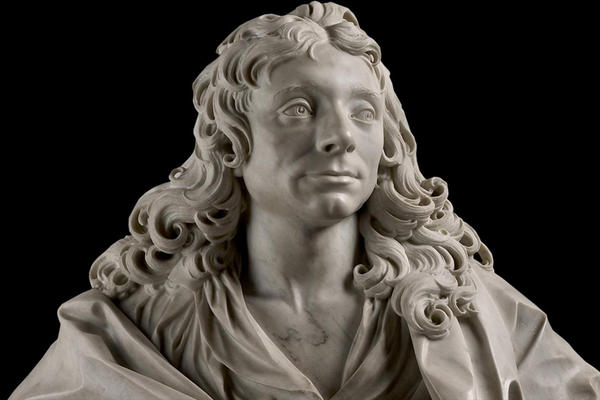
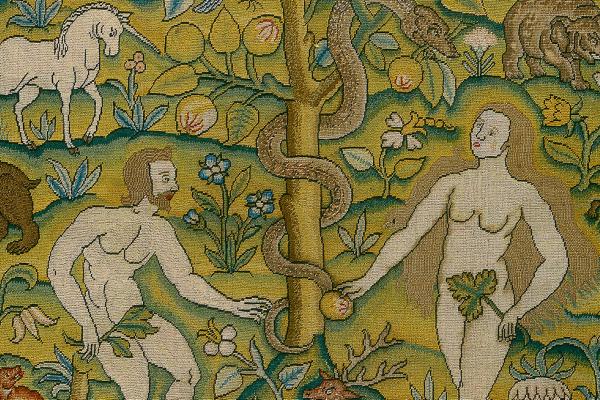
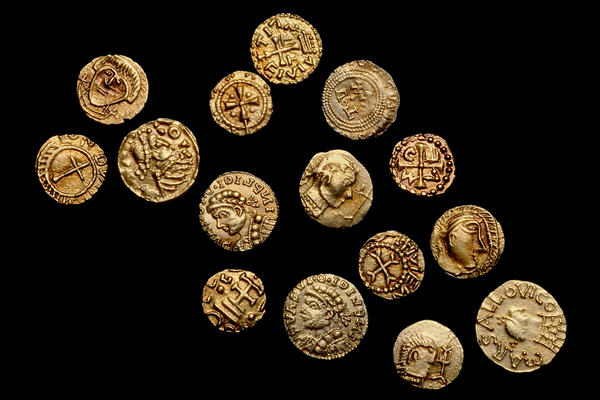
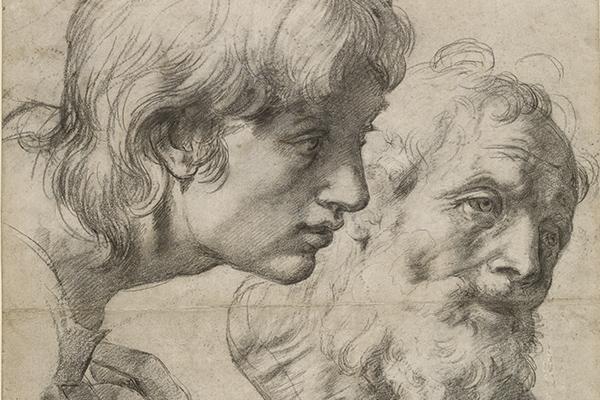
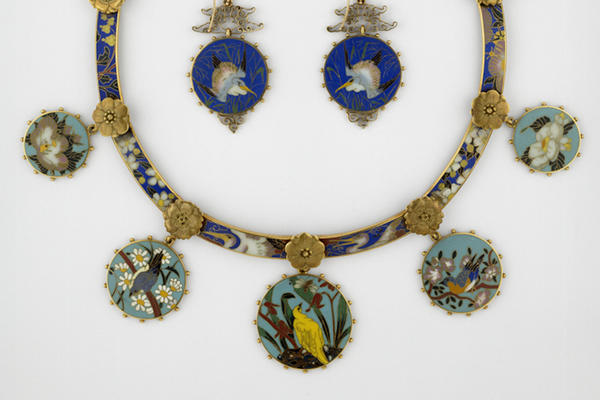
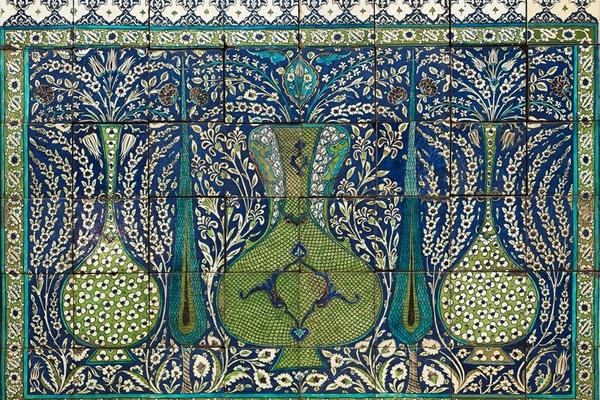
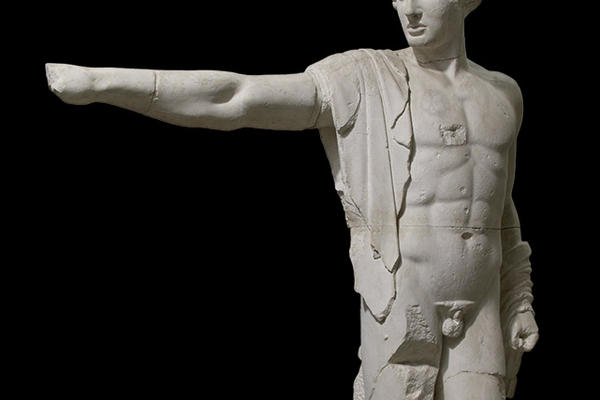
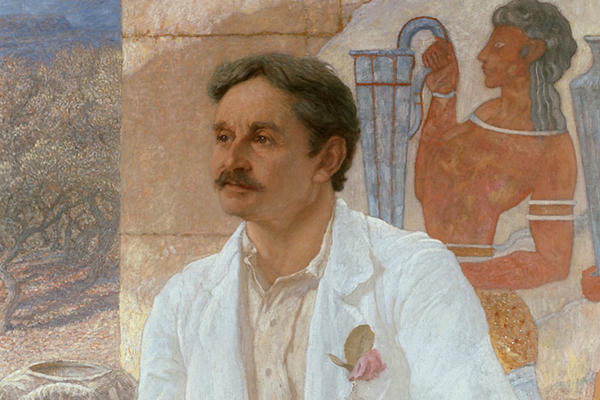
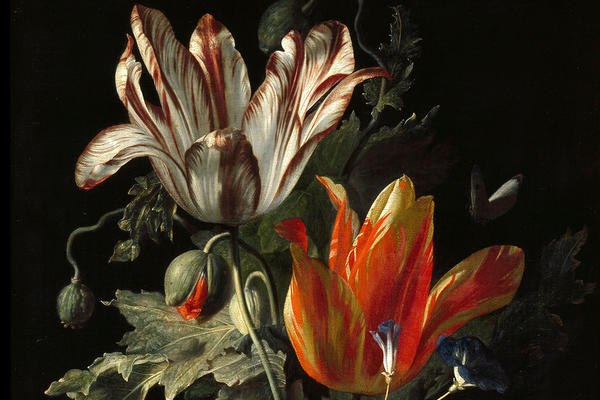
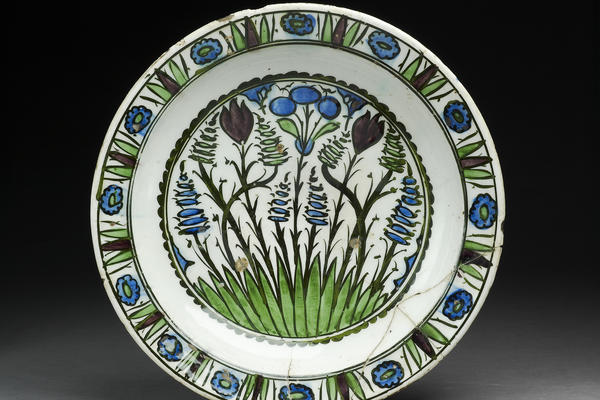
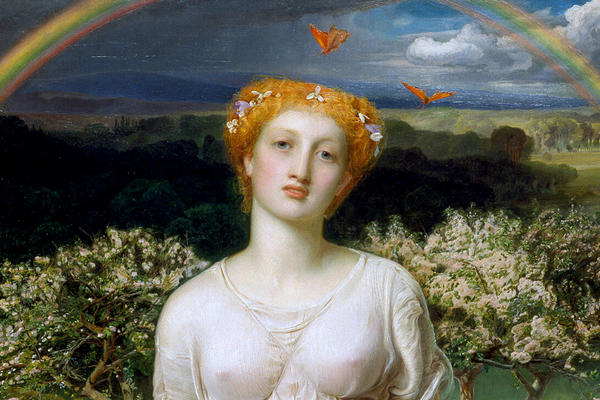
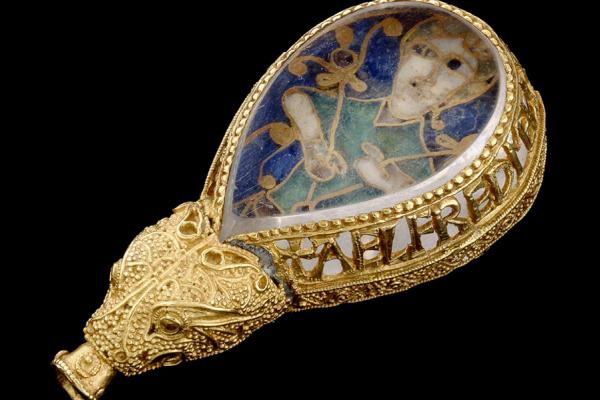
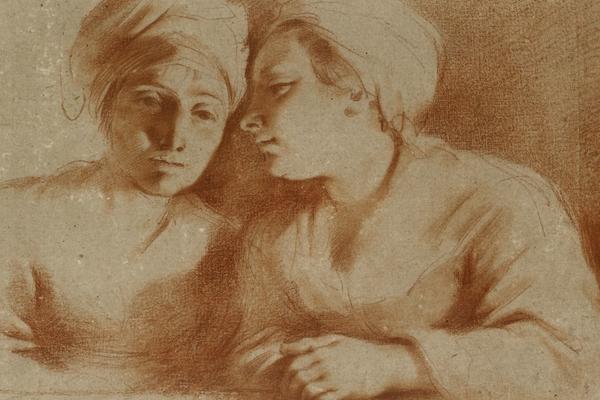
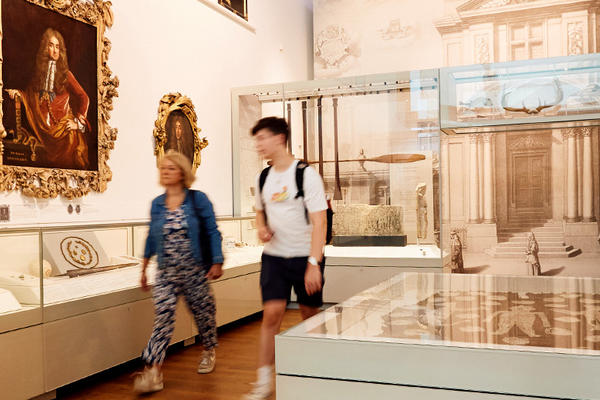
The Ashmolean's world-famous collections range from Egyptian mummies and classical sculpture to Pre-Raphaelite paintings and contemporary art. We continually add to and update our online collection records.
Search our extensive online collections to discover objects and artworks from across the world and time, and delve into some of our collection highlights.