

COLONIAL VIEWS OF INDIA
Open 11 Apr – 13 Dec 2026
Gallery 29
Admission is FREE
This is the first exhibition to focus on photographs and negatives in the Ashmolean, and as such features previously unseen photographs of India by Colonel Eugene Clutterbuck Impey (1830–1904).
A member of the East India Company, Impey arrived in India in 1851 and took part in military actions during the Indian Uprising of 1857. After the British Crown took control in 1858 following the Uprising, he worked as a political agent until returning to Britain in 1878.
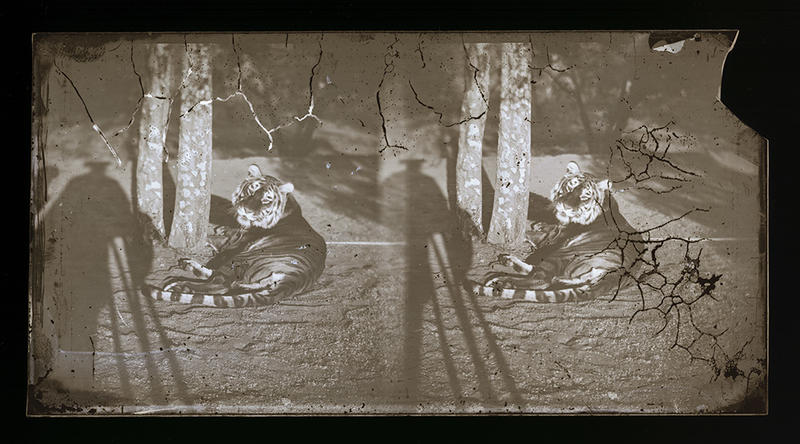
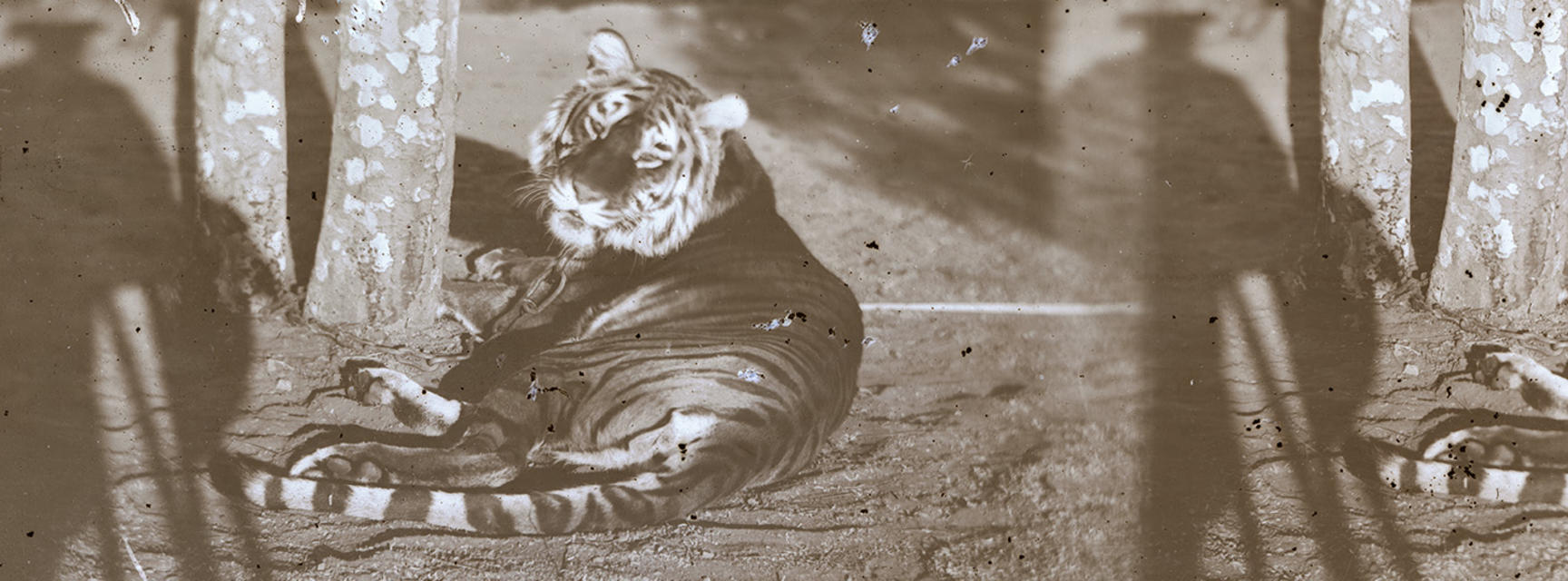
Stereoscopic image of a tiger with tripod shadow, Colonel Eugene Impey, 1858-1865, albumen photographic print on paper © Ashmolean Museum
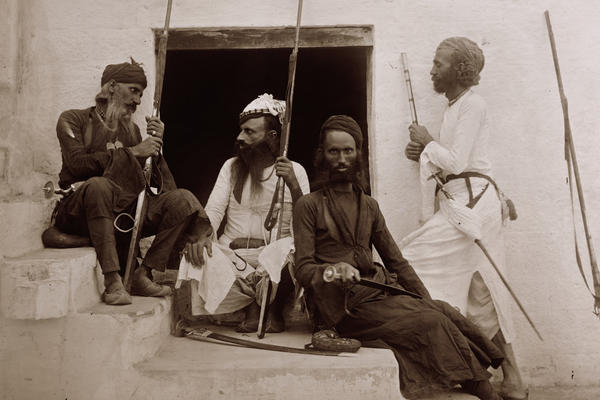
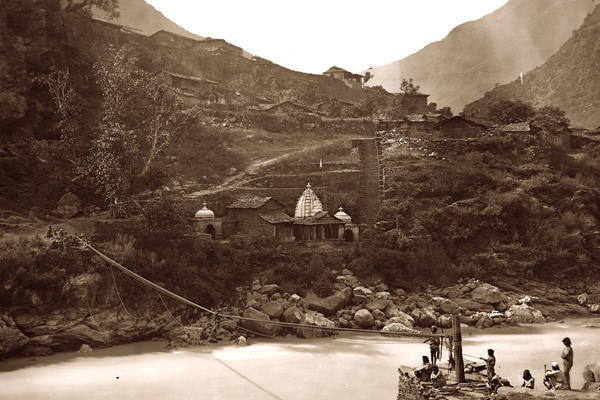
Impey’s photographs reflect British imperial interests, showcasing portraits of colonial officers and Indians, as well as staged scenes of daily life, clothing, religious sites, animals, and landscapes.
These images often reinforced stereotypes with the aim to justify colonial efforts. Photography, which gained popularity after its debut in 1839, was used to highlight cultural differences. From the mid-1800s British officials documented various social groups in India, often categorising people by ethnicity.
The Impey collection includes 247 glass negatives preserved at the Ashmolean.

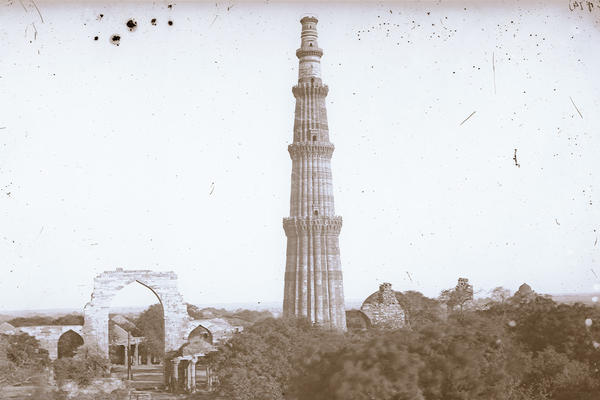
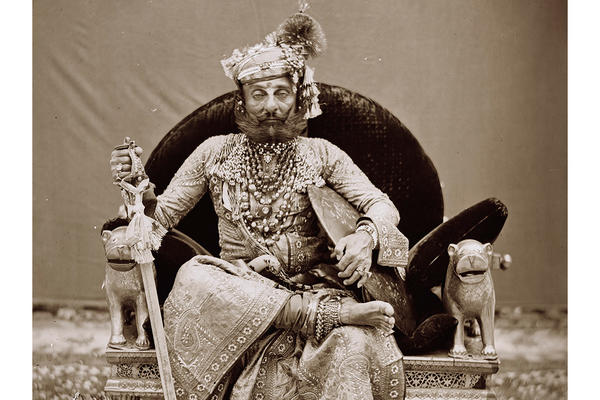

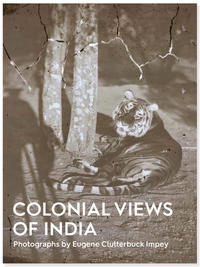
Explore the exhibition and more of Impey's images of 19th-century India with this book-length publication.

