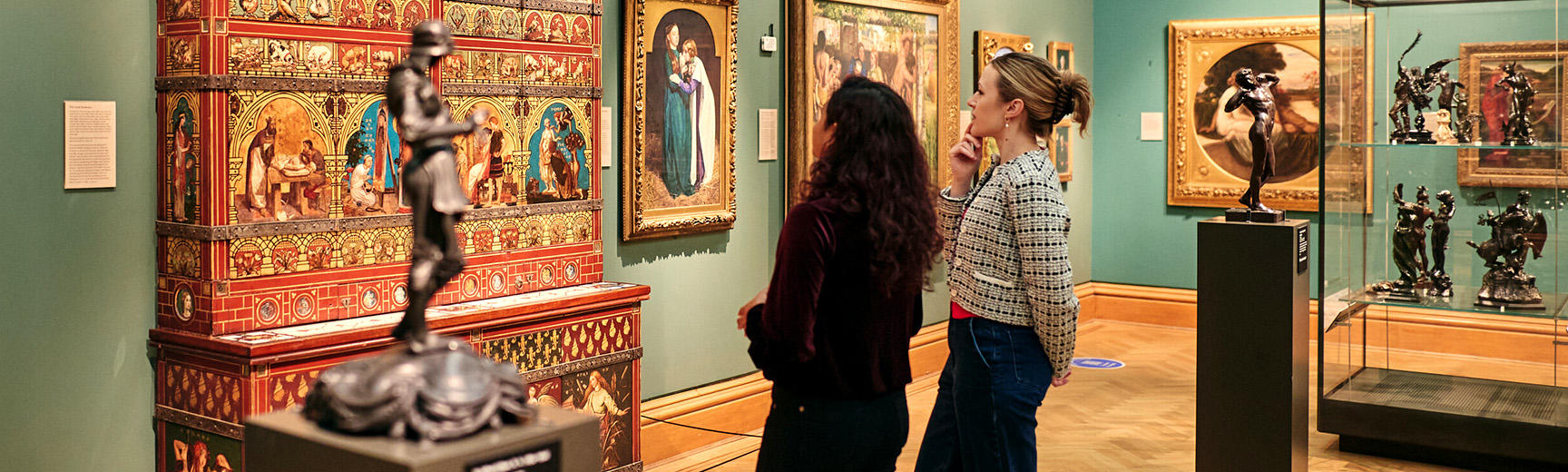
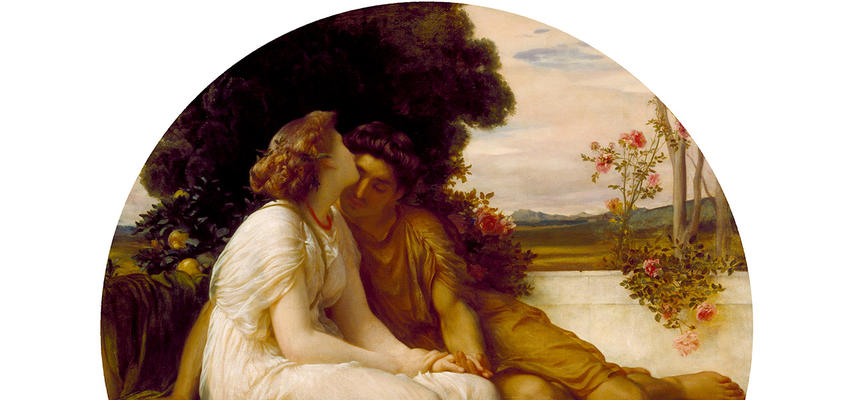
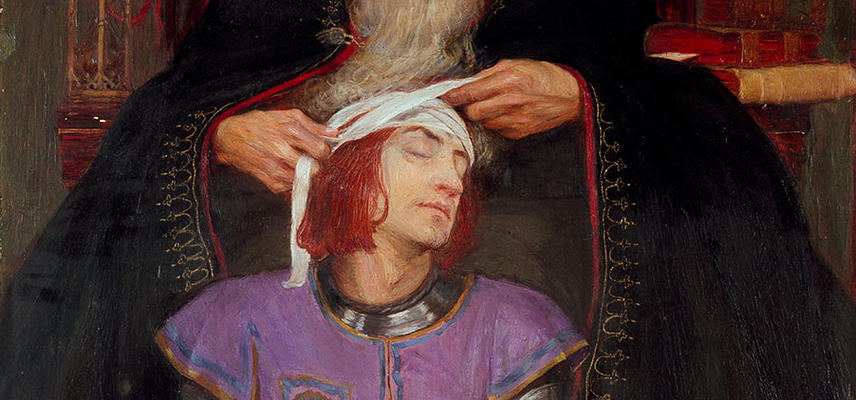
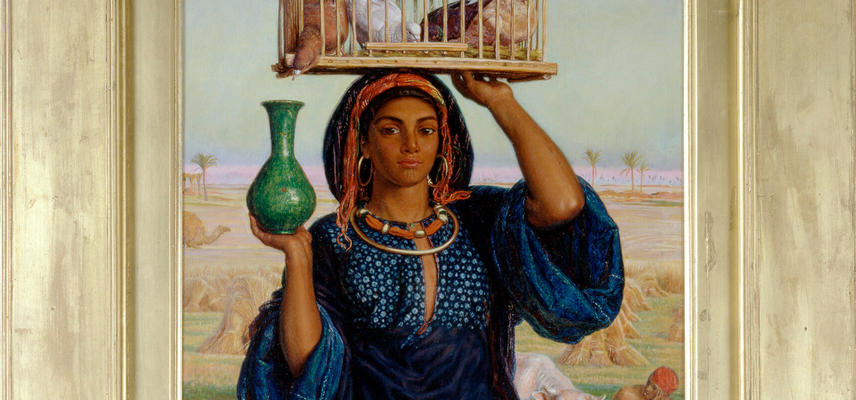
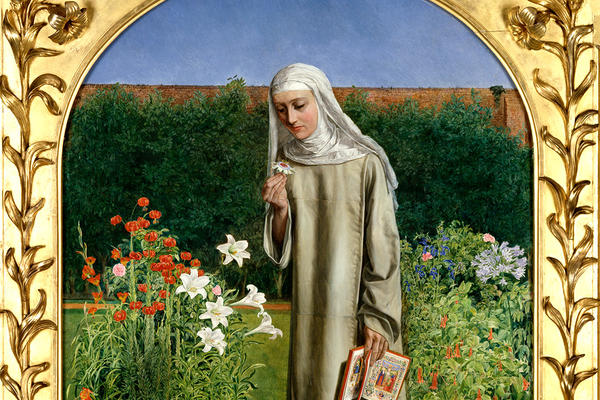
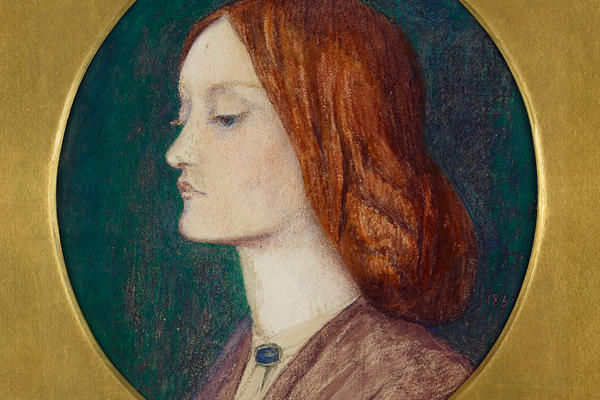
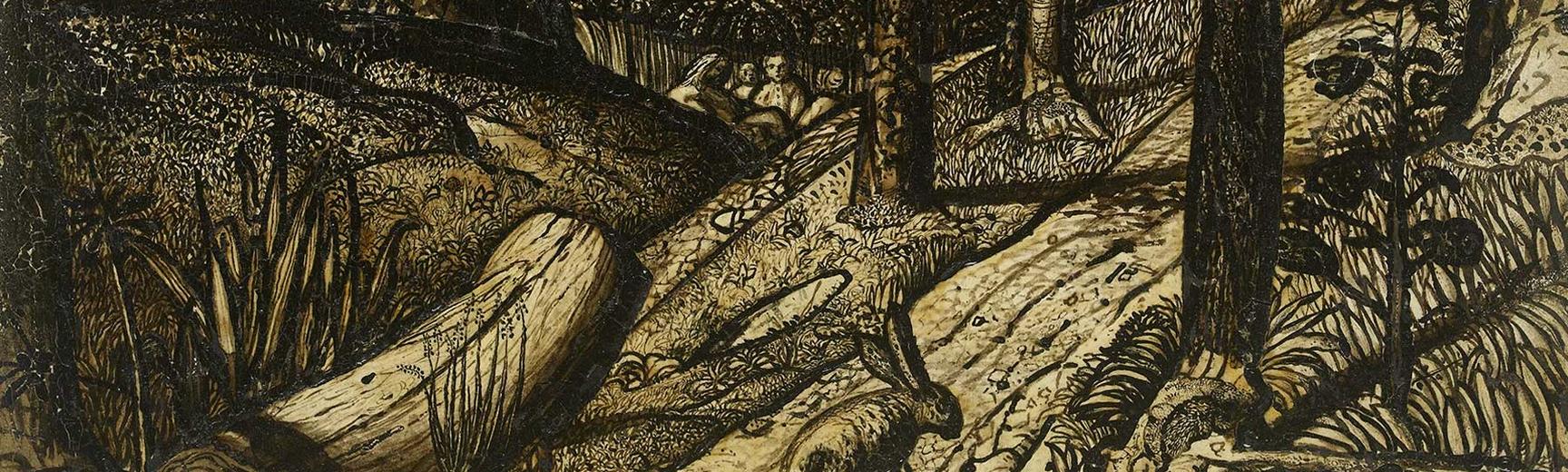
This gallery houses the Ashmolean's important collection of Pre-Raphaelite art from the 19th century, mostly from the collection of Thomas Combe, who was the Superintendent of the Clarendon Press at Oxford. Combe's bust is displayed in the gallery, surrounded by works which his widow bequeathed to the Museum. These include various artworks by members of the Pre-Raphaelite Brotherhood.
The Pre-Raphaelite Brotherhood was formed in 1848 by a group of young painters, sculptors and writers. Inspired by early Italian painting before Raphael, they sought to restore English art to the freshness and close study of nature. The original group included Millais, Rossetti, Holman Hunt, and the sculptor Thomas Woolner. Later on they were joined by William Morris and Edward Coley Burne-Jones. Works by these renowned artists are on show.
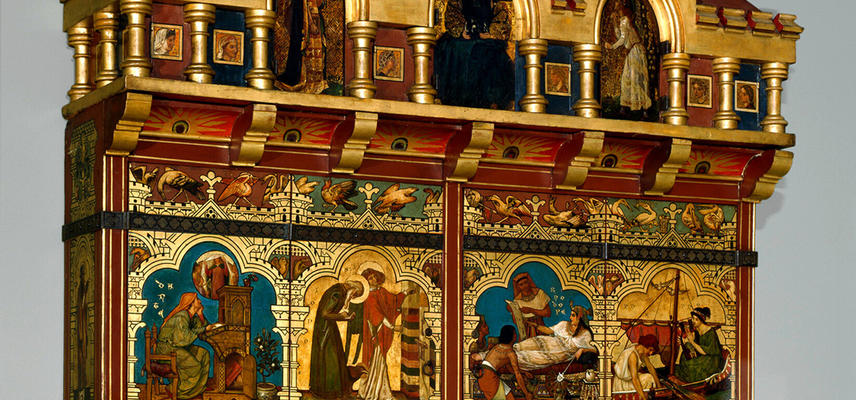
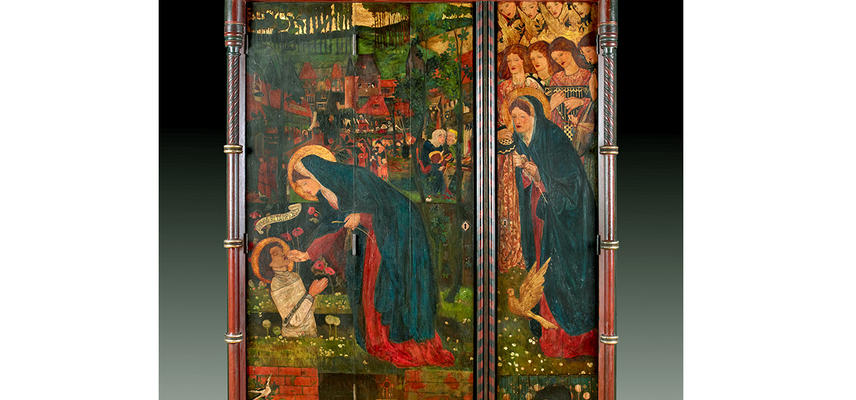
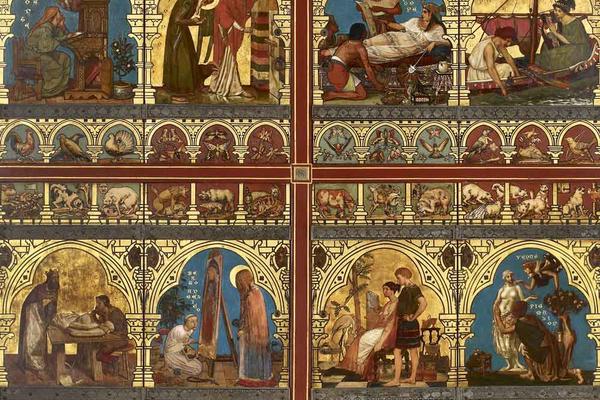
The Prioress’s Tale Wardrobe, designed by Philip Webb and decorated by Burne-Jones is a prominent gallery display. This highly decorative piece was given by Burne-Jones as a wedding present to William Morris on his marriage to Jane Burden. Jane was spotted by Dante Gabriel Rossetti and Burne-Jones while they worked on murals for the Oxford Union, and became a model and muse for the group. Burne-Jones modelled the cabinet's Virgin Mary in Jane's likeness. On another wall in the gallery is the elaborate, enormous Great Bookcase made by the eminent Victorian architect William Burges and decorated by 14 leading artists including Burne-Jones and Rossetti.
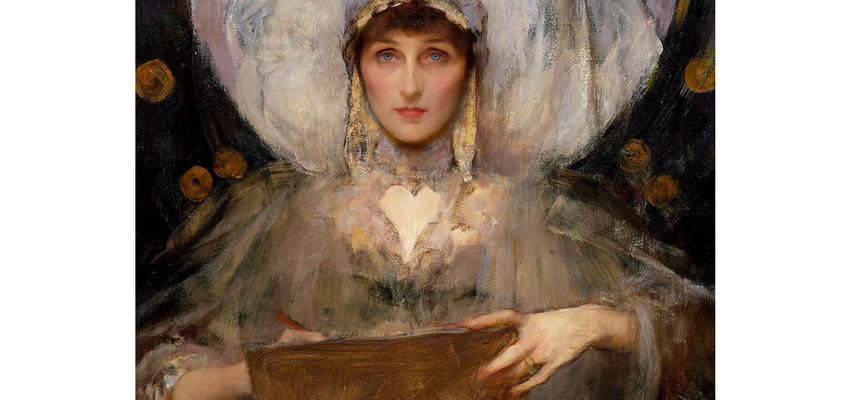
A recent addition to the gallery is the enigmatic portrait of Violet Manners, Marchioness of Granby (later Duchess of Rutland), by Sir James Jebusa Shannon.
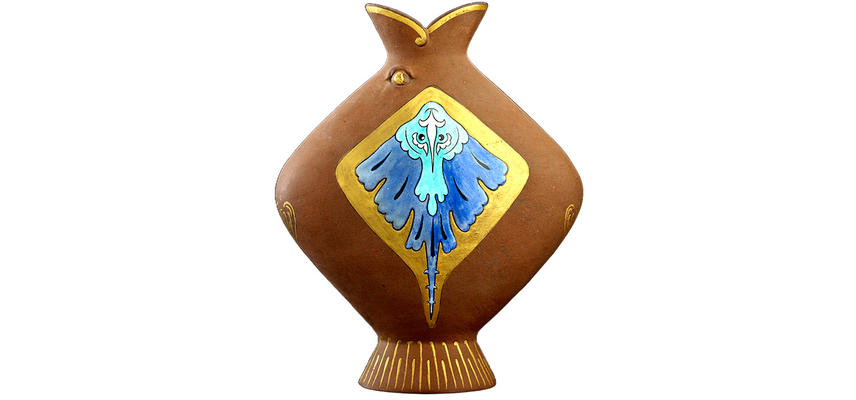
Bronze sculptures and ceramics by artists and designers inspired by the Pre-Raphaelites and Aesthetic Movement of the period are showcased in the centre of the gallery. Take a moment before you leave the gallery to look at the wonderfully expressive large bronze of the brooding hunched, seated figure of winged Satan by the French sculptor Jean-Jacques Feuchère.